Blue Catfish Catch in Wagoner, Oklahoma
Catfish Fishing in Wagoner - Local Species & Tactics

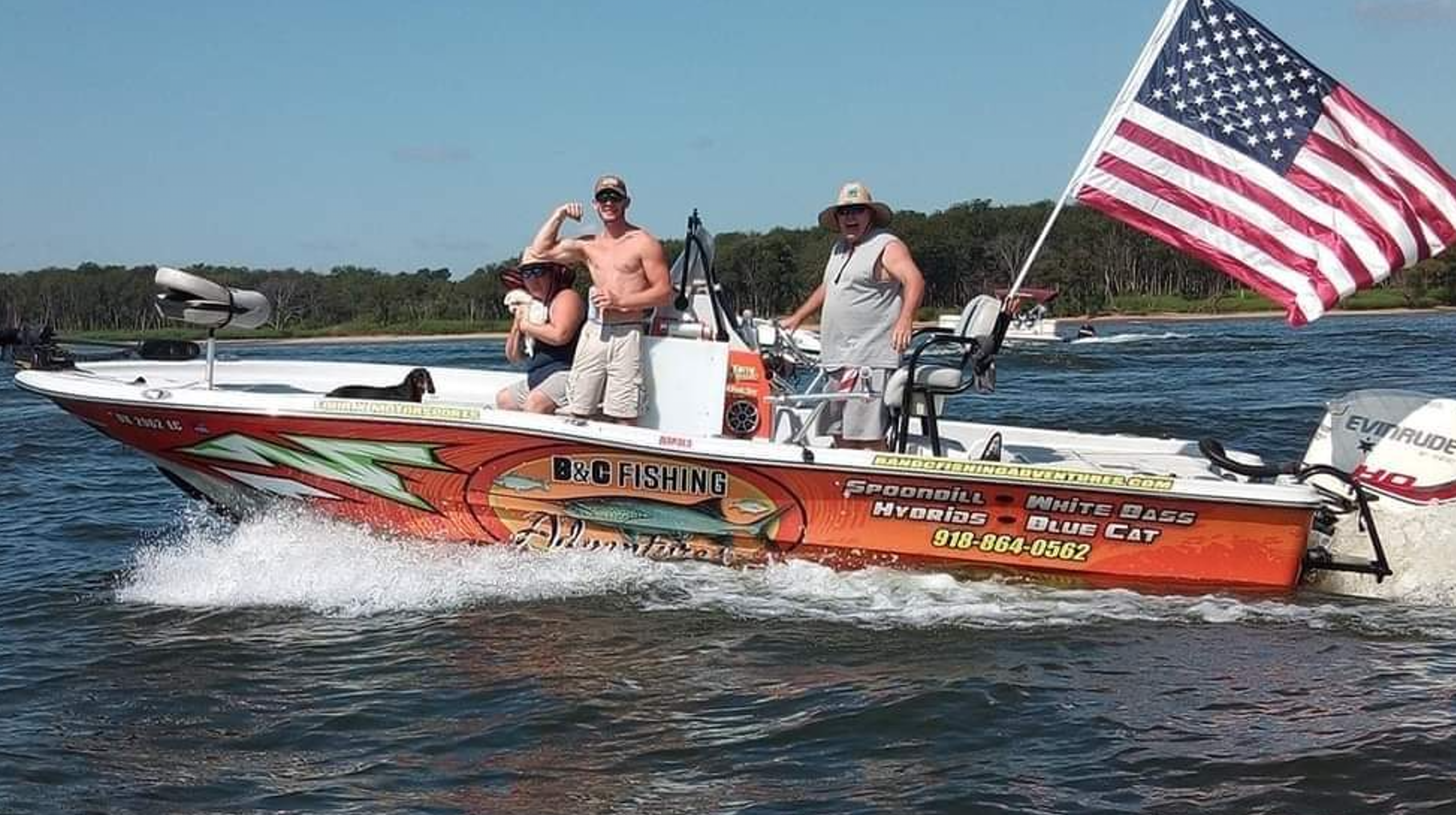
Guided Fishing Trip by Guide Bob Scoggins in December
- Book Your Premier Oklahoma Fishing Charter Now.


Summary
Join a guided fishing trip in Wagoner, Oklahoma on Wednesday, September 20th to pursue blue catfish, bartail flathead, and lingcod. This local fishing experience showcases what skilled anglers can accomplish in Oklahoma's productive waters with professional guidance and proven techniques.
Guided Fishing with Bob Scoggins - Rates & Booking
Guide Bob Scoggins of B & C fishing adventures LLC welcomes anglers to Wagoner, Oklahoma for exceptional catfish and flathead fishing. This guided fishing trip targets the region's most productive species, combining local expertise with proven techniques developed over years of pursuing these hard-fighting fish in Oklahoma waters.
These guided trips accommodate multiple anglers seeking an authentic Oklahoma fishing experience. All necessary tackle and guidance are provided by a knowledgeable professional who understands the behavior and location patterns of the target species. Whether you're pursuing blue catfish, bartail flathead, or lingcod, you'll benefit from insider knowledge of Wagoner's best fishing grounds.
Contact B & C fishing adventures LLC to reserve your spot and confirm current rates, trip duration, and specific inclusions. Professional guides like Bob Scoggins maintain their boats year-round and adjust tactics based on seasonal conditions and recent catch reports.
Highlights of Your Fishing Adventure
This guided trip delivers consistent action targeting three premier catfish species. Anglers land quality blue catfish known for their strength and size, along with elusive bartail flathead that require specialized presentation. Lingcod presence adds versatility to your day on the water, allowing anglers to adjust tactics and experience different fighting styles and techniques.
Wagoner's waters provide ideal conditions for these species, with the guide's knowledge ensuring efficient time on productive zones. The combination of multiple target species means continuous opportunity throughout your trip, keeping anglers engaged and active from start to finish.
Local Species Insights: Blue Catfish & Flathead Catfish
Blue catfish dominate Oklahoma's catfish fishery and represent one of the most reliable catches in the region. These powerful fish thrive in deeper channels and current breaks, actively feeding on live and cut bait presentations. Blue catfish grow exceptionally large in Oklahoma waters, with experienced anglers regularly targeting individuals exceeding 40 pounds. Their aggressive feeding behavior and willingness to bite throughout the day make them ideal for guided trips where consistent action keeps anglers engaged.
Bartail flathead catfish, commonly called flatheads, demand different tactics than their blue catfish counterparts. These ambush predators hunt primarily at night and early morning, positioning themselves near structure where they intercept passing prey. Flatheads show strong preference for live baitfish, making presentation critical. Their explosive strikes and acrobatic fights make them prized by anglers seeking thrilling encounters. The combination of technical skill required and thrilling battles makes flathead fishing an exciting challenge even for experienced catfishermen.
Lingcod in Oklahoma add another dimension to guided fishing trips. These fish occupy rocky structure and deeper zones, providing variety in both presentation and fighting characteristics. Their powerful strikes and determined runs deliver different action than traditional catfish, keeping anglers sharp and adaptable.
Wagoner's unique positioning in Oklahoma creates an environment where these three species coexist and feed actively. The guide's familiarity with how seasonal changes affect each species ensures your trip targets the most productive techniques. Water temperature, moon phase, and recent weather patterns all influence which species respond most aggressively on any given day. Professional guides adjust their approach accordingly, maximizing your opportunity for success.
The guided fishing trip format allows you to learn directly from experience. Bob Scoggins shares techniques, explains fish behavior, and demonstrates proper handling that separate occasional catches from consistent success. You'll understand why certain baits work better at specific times, how structure relates to fish location, and what signs indicate productive zones. This knowledge base extends beyond your single trip, equipping you with skills applicable to future fishing adventures.
Fishing in Oklahoma: Lingcod and Blue Catfish
Lingcod Overview
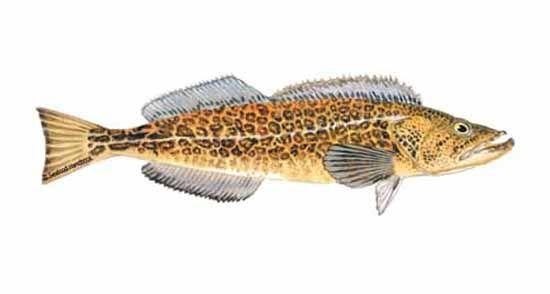
Lingcod (Ophiodon elongatus) belongs to the Hexagrammidae family within the order Scorpaeniformes, making them fascinating members of the greenling group despite their misleading common name. These gnarly-looking saltwater gamefish are instantly recognizable by their elongated bodies, enormous mouths filled with wickedly sharp teeth, spiny dorsal fins, and mottled grey, brown, and greenish coloring. Locals in British Columbia and Washington often call them "Buckethead" because of their disproportionately large head and cavernous mouth. What makes lingcod truly special isn't just their aggressive personality—it's their incredible territorial behavior, voracious appetite, and the sheer adrenaline rush they deliver to anglers willing to challenge them in rocky offshore terrain.
Lingcod Habitat and Distribution
Lingcod are endemic throughout the west coast of North America, with the highest concentrations found along the coasts of British Columbia and Washington. These bottom-dwelling ambush predators thrive in rocky seafloor environments rich with seaweeds, kelps, and eelgrass, typically inhabiting depths between thirty and three-hundred feet. They prefer areas with strong tidal currents and rarely venture far from their rocky lairs—in fact, individual lingcod often return to the same home base year after year after spawning migrations. If you're hunting trophy-sized specimens, Alaska's waters consistently produce seventy-pound monsters, though the average catch in Pacific Northwest waters tends toward more moderate sizes. Their preference for dark, rocky crevices and their solitary nature make them masters of camouflage and patience.
Lingcod Size and Weight
Lingcod display remarkable sexual dimorphism, with females significantly outgrowing males. Most females exceed two feet in length and can reach impressive proportions, while males typically remain under two feet. The average recreational catch ranges from twenty to forty inches and weighs between twenty-five and sixty pounds. The largest reported lingcod ever caught measured sixty inches long and tipped the scales at approximately eighty-five pounds—a true monster by any standard. Female specimens of forty to fifty pounds are not uncommon in premium fishing grounds, particularly in Alaska and the deeper waters off the British Columbia coast.
Lingcod Diet and Behavior
Lingcod are voracious carnivores with appetites to match their aggressive temperaments. These bottom-dwellers are ambush predators that remain mostly stationary on rocky substrates, using their mottled coloring to blend seamlessly into their environment before launching lightning-fast attacks on unsuspecting prey. Their diet includes fishes, squids, crabs, octopus, and smaller lingcod—yes, they're openly cannibalistic. Essentially, if it fits in their enormous mouth, it becomes fair game. They're known for their lazy demeanor when resting, often lying flat-bellied on the seafloor, but this passivity transforms instantly into explosive violence when prey appears. Interestingly, lingcod don't flee from predators, including humans; their aggressive instinct drives them to fight rather than flee. During spawning season (December through April), they become particularly territorial and have been documented attacking humans, making caution advisable for divers or waders in shallow rocky areas during breeding months.
Lingcod Spawning and Seasonal Activity
Lingcod reproduce between December and April, congregating in shallow waters over rocky reefs with strong tidal currents. Reproduction occurs externally—females deposit between 40,000 to 500,000 eggs per spawning season into rocky crevices and then abandon them. Males then locate and fertilize the eggs, becoming fiercely territorial guardians who protect their nests from predators for eight to ten weeks. This paternal guarding behavior is remarkable and demonstrates unexpected parental investment for such an aggressive species. Once eggs hatch, the larvae feed on zooplankton until they're large enough to hunt smaller fishes. Lingcod can be caught year-round, though spawning season presents unique opportunities for anglers willing to target aggressive, territorial fish. After spawning concludes, mature adults display remarkable site fidelity, returning to their home bases rather than undertaking extended migrations.
Lingcod Techniques for Observation or Capture
Successfully fishing for lingcod requires understanding their habitat preferences and aggressive feeding behavior. Here are proven techniques for tangling with these fighters:
Tackle and Setup: Deploy a medium-weight conventional setup paired with braided line rated for at least thirty pounds. Braided line outperforms monofilament for lingcod because it's more durable and doesn't stretch, providing superior hookset effectiveness when fishing rocky terrain where snagging is inevitable. The reduced stretch also helps anglers detect subtle bottom contact and maintain better feel in deep water.
Lure Selection: Metal jigs consistently outperform other lure types for lingcod, with many professional anglers swearing by one-to-four-ounce jigs depending on depth and current strength. Jigging vertically near rocky outcrops and reefs proves highly effective, and the flash and vibration of quality metal jigs trigger aggressive strikes from territorial fish. Around Vancouver and Seattle, anglers report excellent success with silver and white-colored jigs that mimic baitfish.
Live or Dead Bait: Lingcod eagerly attack both live and dead baitfish, squid, and crustaceans. Anchovy, herring, and squid work exceptionally well. Present bait near rocky structures at appropriate depths, allowing natural drift with tidal currents. The aggressive feeding response means bait selection matters far less than proper placement near cover.
Lingcod Culinary and Utilization Notes
Lingcod flesh is white, moderately firm, and flavorful—earning an "Average Odds" culinary rating because while edible and perfectly acceptable, it doesn't command the premium status of some other Pacific gamefish. The meat has a mild, slightly sweet taste and holds together well during cooking, making it suitable for baking, grilling, poaching, or fish and chips preparations. Sustainability has improved dramatically since the species faced near-endangered status in the late 1990s due to overfishing. Modern catch-and-size limitations and fishing regulations have allowed populations to stabilize substantially. For anglers in British Columbia, Washington, and Alaska, lingcod provide excellent table fare and a healthy source of lean protein when harvest limits are observed.
Lingcod Frequently Asked Questions
Q: What is the best bait or lure for targeting lingcod?
A: Metal jigs rank as the top choice among successful anglers, with one-to-four-ounce designs producing reliable strikes. If you prefer bait, fresh or frozen anchovy, herring, and squid all work excellently. The key is presentation near rocky structure rather than specific bait selection, as lingcod are indiscriminate and aggressive feeders.
Q: Where can I find lingcod near Seattle or Vancouver?
A: Both cities offer excellent lingcod fishing in nearby saltwater. Rocky reefs, kelp beds, and areas with strong tidal currents within thirty to three-hundred feet of depth hold concentrations of these fish. Local charter operations and tackle shops in Seattle and Vancouver can provide specific GPS coordinates for productive grounds that change seasonally.
Q: How big do lingcod typically grow, and what's the record?
A: Average catches range from twenty to forty inches and weigh between twenty-five and sixty pounds. The all-time reported record measures sixty inches long and weighs approximately eighty-five pounds. Alaska and deep British Columbia waters consistently produce fifty-plus-pound specimens.
Q: Is lingcod good to eat, and are they sustainable to harvest?
A: Yes, lingcod provide acceptable table fare with white, moderately firm, mild-flavored flesh. They're sustainable to harvest given modern population recovery and regulations. Catch limits and minimum size restrictions are in place to maintain healthy stocks after near-endangered status in the late 1990s.
Q: When is the best time to catch lingcod?
A: Lingcod can be caught year-round, though winter spawning season (December-April) concentrates fish in shallower rocky areas and makes them more aggressive. Many anglers target spring and fall when water conditions stabilize and fish feed heavily outside spawning season.
Q: Are lingcod dangerous, and can they attack humans?
A: Lingcod have documented cases of attacking humans, particularly during spawning season when they become extremely territorial. Their aggressive nature and enormous mouth filled with sharp teeth command respect, especially for divers or waders in shallow rocky habitat during breeding months.
Blue Catfish Overview
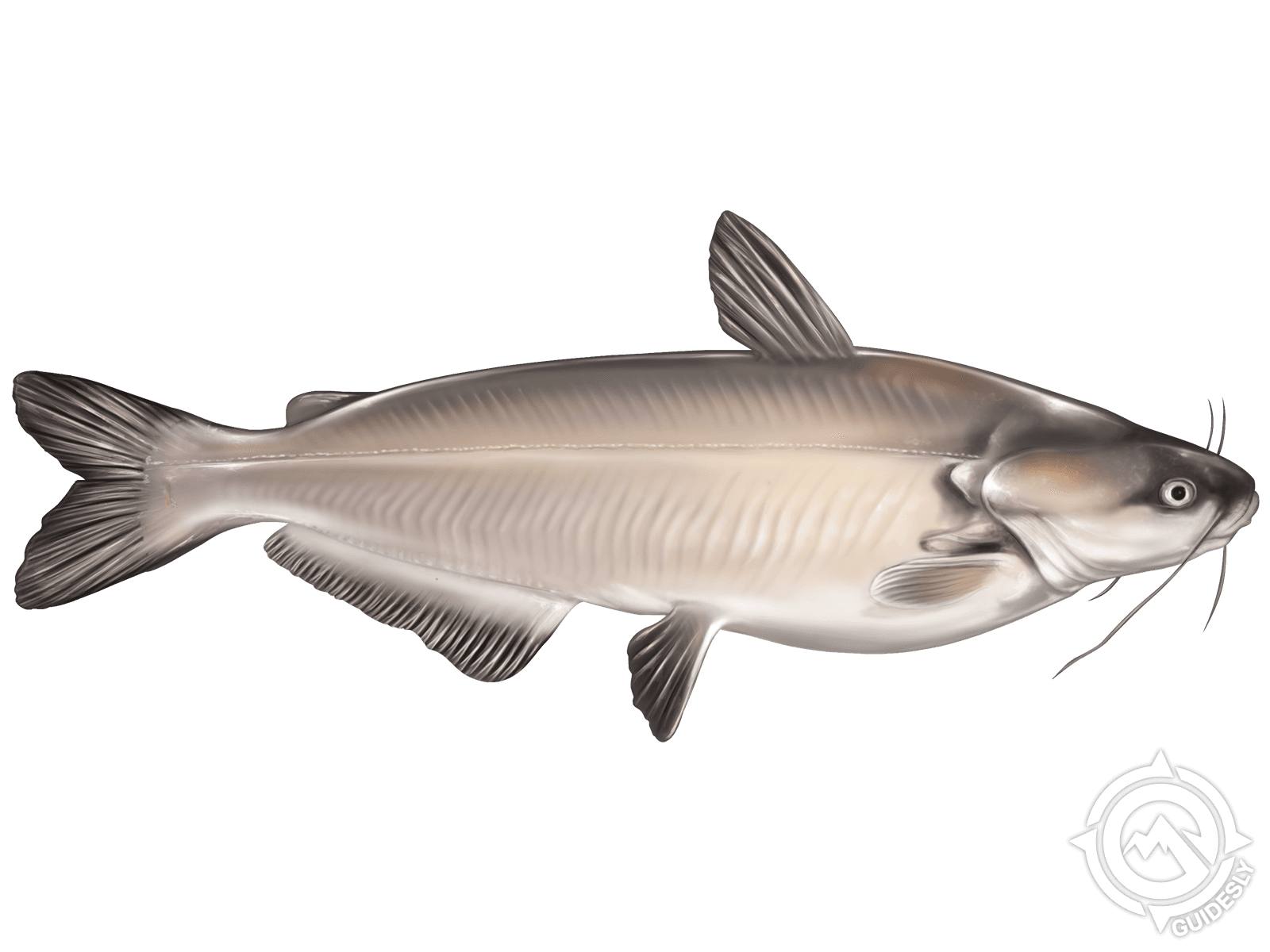
The Blue Catfish (Ictalurus Furcatus) is a formidable freshwater predator belonging to the family Ictaluridae within the order Siluriformes. Known locally as the Blue Cat, this species is instantly recognizable by its distinctive slate-blue coloration, deeply forked tail, and prominent dorsal hump. Unlike their cousins the Channel Catfish, Blue Catfish feature a squared-off anal fin and 30–36 fin rays, making them unmistakable to experienced anglers. These catfish are the largest of all North American catfish species and have earned a reputation as both prized catches and, in places like Virginia, controversial invasive pests due to their explosive population growth and voracious appetite for native species.
Blue Catfish Habitat and Distribution
Blue Catfish thrive in rivers, lakes, flats, and backcountry waters throughout North America. They show a remarkable adaptability to brackish water environments, a trait that has contributed to their expansion beyond their native range. These fish are typically found in deep holes with muddy bottoms, particularly near tidal creeks where they can follow the tide and establish territories. Their low mortality rate and hunting prowess have allowed populations to flourish, especially in the Chesapeake Bay region and Virginia waterways. If you're exploring Blue Catfish habitat, focus on areas where strong tidal influences create channels and deeper holes—these are the highways and hunting grounds where these catfish congregate and feed most actively.
Blue Catfish Size and Weight
Blue Catfish are impressive in stature. They typically range from 25 to 46 inches in length, with weights averaging 20 to 81 pounds, though trophy specimens can push even higher. What makes the Blue Cat so remarkable is not just individual size but their consistency—many fish in popular fisheries will exceed 40 pounds. Their muscular build, underbite, and powerful tail enable them to dominate their aquatic ecosystems and provide anglers with genuine battles when hooked. The combination of mass and strength makes landing one of these catfish a memorable experience that demands proper equipment and technique.
Blue Catfish Diet and Behavior
Blue Catfish are described as terrifying hunters and opportunistic feeders with an almost legendary appetite. They consume virtually anything available: crawfish, freshwater mussels, frogs, smaller fish, and even Asian Carp when they reach larger sizes. Their behavior as scavengers is particularly notable—anglers frequently observe Blue Catfish feeding beneath schools of Striped Bass, capitalizing on baitfish escaping from larger predators. The fish's barbels serve as sensitive taste receptors that allow them to detect food in murky water, and their underbite positions them well for surface feeding and opportunistic strikes. They are primarily nocturnal hunters, making them most active during dawn, dusk, and nighttime hours. In Virginia and other regions where Blue Catfish populations have exploded, their predatory impact on native fish and crustacean populations—particularly blue crabs—has made them ecological concerns that warrant culling efforts.
Blue Catfish Spawning or Seasonal Activity
Blue Catfish spawning typically occurs in late spring through early summer when water temperatures warm. During spawning season, they seek shelter in hollow logs, root systems, and rocky crevices, creating nesting sites that can be surprisingly territorial. Outside of spawning periods, these catfish remain active year-round, though their feeding intensity can fluctuate with seasonal changes and water temperature. Winter months see them moving into deeper channels and holes where they remain relatively stationary, conserving energy in cooler water. Spring and fall periods, when water temperatures moderate, tend to trigger increased feeding activity, making these seasons particularly productive for anglers targeting Blue Catfish across their range.
Blue Catfish Techniques for Observation or Capture
Fresh-Cut Bait Method: The most effective approach for catching Blue Catfish involves fresh-cut bait—herring, sardine, shad, or even chicken liver. Cut your bait into chunks to release blood and scent into the water, which activates the fish's taste receptors across their body. Lower your bait to the bottom and let it rest; resist the urge to move it constantly, as these opportunistic hunters prefer stationary, easy targets. When you feel 1–2 nibbles, set the hook firmly. This passive method works especially well during evening and night hours when catfish are most active. Around Virginia's tidal rivers, this technique near deep muddy holes has proven particularly productive for landing trophy-sized specimens.
Electrofishing Technique: Electrofishing uses a cathode and anode to attract and temporarily stun catfish, making them easier to collect for research or culling efforts. While primarily a scientific and management tool, some recreational anglers in regulated areas explore this method. The electric field does not damage the fish's meat quality, and the mild shock makes handling safer. This advanced technique requires proper training and permits, but when deployed correctly in known hotspots, it can yield remarkable catches—some studies report hauling 700+ Blue Catfish per hour in heavily populated areas.
Location and Timing Tip: Identify deep channels and holes in lakes and rivers near tidal creeks, particularly in areas where Blue Catfish are known to congregate. Fish from dusk through midnight for optimal results, bringing leather gloves or high-friction fishing gloves to manage these slimy, powerful fighters. Around Virginia, focus on river systems in the Chesapeake Bay region where these catfish are most abundant and actively hunted by both recreational and commercial fisheries.
Blue Catfish Culinary or Utilization Notes
Blue Catfish meat is firm, white, and considered excellent eating by many anglers and chefs. The flavor is mild and slightly sweet, making it versatile for frying, baking, grilling, and stewing. A 40-pound Blue Catfish yields substantial fillets with minimal waste. However, in regions like Virginia where populations are considered invasive and destructive to native species, the culinary angle serves a secondary but important purpose: encouraging harvest and consumption as a population management strategy. Eating Blue Catfish is not only delicious but also environmentally responsible in areas where their numbers threaten ecological balance. The nutritional profile is strong, offering high-quality protein and beneficial omega fatty acids. Some restaurateurs and chefs have embraced farm-raised and wild-caught Blue Catfish as a sustainable, flavorful protein option that supports ecosystem health.
Blue Catfish Frequently Asked Questions
Q: What is the best bait for catching Blue Catfish?
A: Fresh-cut bait is your best bet. Use herring, sardine, shad, or chicken liver cut into chunks. The fresh blood and scent disperse into the water, triggering the catfish's taste receptors and drawing them to your bait. Let it sink to the bottom and remain still—these fish prefer an easy, stationary meal.
Q: Where can I find Blue Catfish near Virginia?
A: Virginia's tidal rivers, particularly those feeding into the Chesapeake Bay, are prime Blue Catfish habitat. Look for deep holes with muddy bottoms near tidal creeks. The James River, York River, and Rappahannock River systems all hold substantial populations. Fish near deep channels where the tide ebbs and flows—catfish follow these currents to hunt.
Q: Is Blue Catfish good to eat?
A: Absolutely. Blue Catfish meat is firm, white, and mild-flavored, making it excellent for frying, baking, or grilling. A large specimen provides substantial, high-quality fillets. In regions where populations are invasive, catching and eating them is both delicious and environmentally beneficial, helping to manage populations while enjoying a nutritious meal.
Q: When is the best time to catch Blue Catfish?
A: Dusk through midnight is prime time, though they can be caught throughout the day. Spring and fall offer increased feeding activity as water temperatures moderate. Night fishing in summer months, when water is warm and daylight feeding slows, is often most productive. Winter finds them in deeper holes but still catchable for determined anglers.
Q: How do I identify a Blue Catfish versus a Channel Catfish?
A: Blue Catfish have 30–36 fin rays and a squared-off anal fin, while Channel Catfish have rounded anal fins and fewer rays. Blue Catfish also feature a prominent dorsal hump and deeply forked tail. Their slate-blue coloration and underbite are additional distinguishing features. Counting rays is the most reliable field method.
Q: What size should I expect to catch?
A: Blue Catfish typically range from 25 to 46 inches and weigh 20 to 81 pounds. Many fish in established fisheries exceed 40 pounds, making them consistently impressive catches. They are the largest of all North American catfish species, so prepare for a powerful battle when you hook into one.